




Parents install cameras to monitor babysitters. This is legal and often smart. However, when the parent keeps the camera active while the babysitter is off-duty (e.g., changing clothes in the guest room), the parent becomes a perpetrator of "voyeurism," regardless of intent.
The intersection of has become a modern battleground. While a camera on your porch can deter a thief, it might also record your neighbor’s daily routine. While a camera in your living room can confirm you turned off the iron, it also creates a potential window for hackers. This article explores the benefits, risks, legalities, and best practices for navigating the complex relationship between home surveillance and personal privacy.
The primary privacy concern with modern security cameras is the vulnerability of the cloud. When you view your camera feed on your phone, that data is traveling through the internet.
: Audio recording is often more legally restricted than video. In "all-party consent" states like California, Florida, and Illinois , recording a private conversation without everyone's permission can be considered illegal wiretapping. 3. Fortifying Your "Digital Fortress"
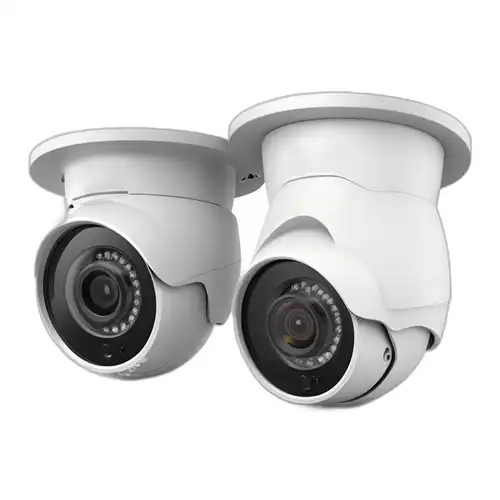
Home security camera systems have become increasingly affordable and accessible, making them a popular choice for homeowners looking to enhance their safety and security. These systems typically include cameras, motion detectors, and recording devices that allow homeowners to monitor their property remotely. The benefits of home security camera systems are numerous:
Cybersecurity firm Rapid7 reported that over 55% of consumer IoT (Internet of Things) devices have at least one known vulnerability. Home cameras are a prime target because they offer a direct window into a person’s life. The dreaded scenario of a hacker speaking to a child through a living room camera via the two-way audio feature is no longer urban legend; it has happened.
Parents install cameras to monitor babysitters. This is legal and often smart. However, when the parent keeps the camera active while the babysitter is off-duty (e.g., changing clothes in the guest room), the parent becomes a perpetrator of "voyeurism," regardless of intent.
The intersection of has become a modern battleground. While a camera on your porch can deter a thief, it might also record your neighbor’s daily routine. While a camera in your living room can confirm you turned off the iron, it also creates a potential window for hackers. This article explores the benefits, risks, legalities, and best practices for navigating the complex relationship between home surveillance and personal privacy.
The primary privacy concern with modern security cameras is the vulnerability of the cloud. When you view your camera feed on your phone, that data is traveling through the internet.
: Audio recording is often more legally restricted than video. In "all-party consent" states like California, Florida, and Illinois , recording a private conversation without everyone's permission can be considered illegal wiretapping. 3. Fortifying Your "Digital Fortress"
Home security camera systems have become increasingly affordable and accessible, making them a popular choice for homeowners looking to enhance their safety and security. These systems typically include cameras, motion detectors, and recording devices that allow homeowners to monitor their property remotely. The benefits of home security camera systems are numerous:
Cybersecurity firm Rapid7 reported that over 55% of consumer IoT (Internet of Things) devices have at least one known vulnerability. Home cameras are a prime target because they offer a direct window into a person’s life. The dreaded scenario of a hacker speaking to a child through a living room camera via the two-way audio feature is no longer urban legend; it has happened.

 Welcome to Rentit4me