




Open Water 2- Adrift -2006- 'link'
No.crs124
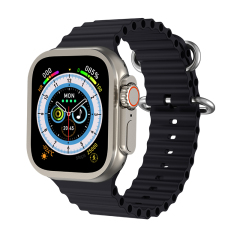
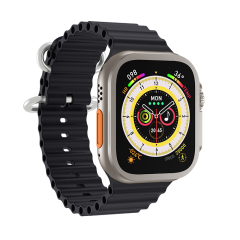
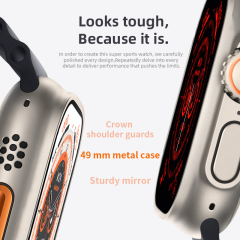
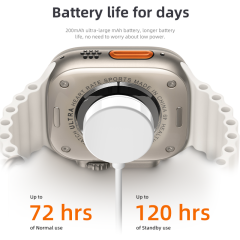
Best selling ZW8 Ultra Max smart watch series 8 ZW8 ultra Max energy watch BT call IP67 waterproof wireless charging HD screen
Open Water 2: Adrift (2006) a survival thriller that trades the shark-infested tension of the original for a purely psychological—and often frustrating—human drama
In conclusion, Open Water 2: Adrift is not a monster movie. It is a fable about the monsters of modernity: complacency, social hierarchy, and the catastrophic belief that technology will always save us. It is a film that asks you to look at a yacht ladder and feel genuine terror. For those willing to look past its B-movie packaging, it offers one of the most honest and unsettling portrayals of human failure ever committed to film. We are not afraid of the deep; we are afraid of our own inability to reach the rail.
A critical theme in Adrift is the failure of technology to save the user. The yacht is equipped with radios, GPS, and safety equipment, yet none of it is accessible due to a simple design oversight: the ladder.
When discussing the most terrifying scenarios the human mind can conjure, the fear of being stranded in the middle of the ocean often ranks near the top. In 2003, the independent film Open Water shocked audiences with its grainy, documentary-style realism, telling the story of a couple accidentally left behind during a scuba diving trip. It was raw, bleak, and financially successful.
If you're a fan of survival thrillers or just looking for a movie that will keep you on the edge of your seat, "Open Water 2: Adrift" is a must-see. With its suspenseful atmosphere and realistic portrayal of survival at sea, it's a film that will stay with you long after the credits roll.
The genius of Open Water 2: Adrift lies in its agonizingly simple premise. The antagonist is not a shark, a sea monster, or a crazed killer. It is a two-foot-long, retractable metal ladder. And a 5-foot-high hull that is now an insurmountable wall.
Open Water 2: Adrift is a nihilistic examination of human incompetence. It strips away the grandeur of the survival genre—the storms, the sharks, the treacherous currents—and replaces them with a ladder. By doing so, it highlights that the most dangerous element in a crisis is not the environment, but the human mind.


Open Water 2: Adrift (2006) a survival thriller that trades the shark-infested tension of the original for a purely psychological—and often frustrating—human drama
In conclusion, Open Water 2: Adrift is not a monster movie. It is a fable about the monsters of modernity: complacency, social hierarchy, and the catastrophic belief that technology will always save us. It is a film that asks you to look at a yacht ladder and feel genuine terror. For those willing to look past its B-movie packaging, it offers one of the most honest and unsettling portrayals of human failure ever committed to film. We are not afraid of the deep; we are afraid of our own inability to reach the rail.
A critical theme in Adrift is the failure of technology to save the user. The yacht is equipped with radios, GPS, and safety equipment, yet none of it is accessible due to a simple design oversight: the ladder.
When discussing the most terrifying scenarios the human mind can conjure, the fear of being stranded in the middle of the ocean often ranks near the top. In 2003, the independent film Open Water shocked audiences with its grainy, documentary-style realism, telling the story of a couple accidentally left behind during a scuba diving trip. It was raw, bleak, and financially successful.
If you're a fan of survival thrillers or just looking for a movie that will keep you on the edge of your seat, "Open Water 2: Adrift" is a must-see. With its suspenseful atmosphere and realistic portrayal of survival at sea, it's a film that will stay with you long after the credits roll.
The genius of Open Water 2: Adrift lies in its agonizingly simple premise. The antagonist is not a shark, a sea monster, or a crazed killer. It is a two-foot-long, retractable metal ladder. And a 5-foot-high hull that is now an insurmountable wall.
Open Water 2: Adrift is a nihilistic examination of human incompetence. It strips away the grandeur of the survival genre—the storms, the sharks, the treacherous currents—and replaces them with a ladder. By doing so, it highlights that the most dangerous element in a crisis is not the environment, but the human mind.