Back





Being flexy doesn't just mean being physically flexible (although that's awesome too!). It means being adaptable, resilient, and open to new experiences. It means being able to roll with the punches, and not getting too stressed when things don't go according to plan. In short, being flexy is all about embracing the ups and downs of life with a positive attitude and a sense of humor.
Extreme stretching must be balanced with strength training to prevent injury.
In today's fast-paced and ever-changing world, the term "Flexy Teen Exclusive" has become a buzzword among parents, educators, and teenagers themselves. But what does it really mean to be a "flexy teen"? And why are they considered exclusive? In this article, we will explore the concept of flexible and adaptable teenagers, their characteristics, and what sets them apart from their peers.
Maya realized then that her "exclusive" life was a cage she had built for herself. That night, she posted a different kind of photo: no neon leotards, no impossible poses. Just her, sitting on a bench with a bag of fries, laughing. She called it The Real Exclusive.
The concept of the "Flexy Teen Exclusive" emerged as a response to the rapidly changing landscape of the 21st century. With technological advancements, shifting workforce demands, and an increasingly interconnected world, the traditional notion of a linear career path and fixed identity has become outdated. As a result, teenagers are being forced to adapt, evolve, and develop new skills to stay competitive and relevant.
For those looking to follow these trends safely, experts recommend a structured approach to flexibility. Consistent, moderate stretching is generally more effective and safer than forced, aggressive sessions.

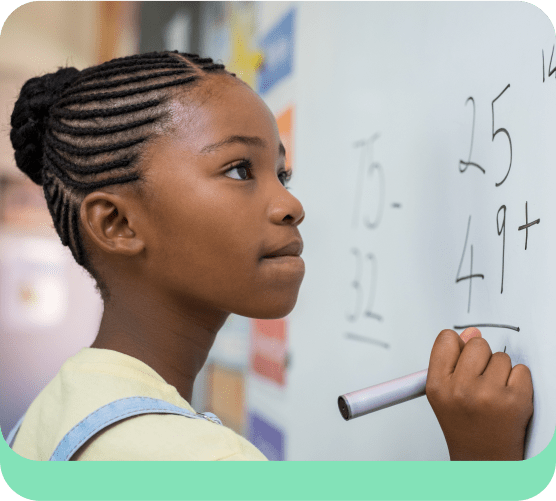


Since 2002, First In Math has provided K-8 math experiences that support independent learning and help students become problem solvers. In the classroom or at home, we provide meaningful practice that can improve test scores, and change attitudes about math.
View stories
Get results and give a love of math to the whole school or district. flexy teen exclusive
Book a tourPractice and improve math skills and see results in just minutes a day.
Subscribe

We are proud to be trusted by leading school districts and education partners around the globe.









These activities offer immediate feedback to  help students master procedural skills.
Being flexy doesn't just mean being physically flexible (although that's awesome too!). It means being adaptable, resilient, and open to new experiences. It means being able to roll with the punches, and not getting too stressed when things don't go according to plan. In short, being flexy is all about embracing the ups and downs of life with a positive attitude and a sense of humor.
Extreme stretching must be balanced with strength training to prevent injury.
In today's fast-paced and ever-changing world, the term "Flexy Teen Exclusive" has become a buzzword among parents, educators, and teenagers themselves. But what does it really mean to be a "flexy teen"? And why are they considered exclusive? In this article, we will explore the concept of flexible and adaptable teenagers, their characteristics, and what sets them apart from their peers.
Maya realized then that her "exclusive" life was a cage she had built for herself. That night, she posted a different kind of photo: no neon leotards, no impossible poses. Just her, sitting on a bench with a bag of fries, laughing. She called it The Real Exclusive.
The concept of the "Flexy Teen Exclusive" emerged as a response to the rapidly changing landscape of the 21st century. With technological advancements, shifting workforce demands, and an increasingly interconnected world, the traditional notion of a linear career path and fixed identity has become outdated. As a result, teenagers are being forced to adapt, evolve, and develop new skills to stay competitive and relevant.
For those looking to follow these trends safely, experts recommend a structured approach to flexibility. Consistent, moderate stretching is generally more effective and safer than forced, aggressive sessions.
These activities offer immediate feedback to  help students master procedural skills - and help educators assess where intervention is needed.
Try a game