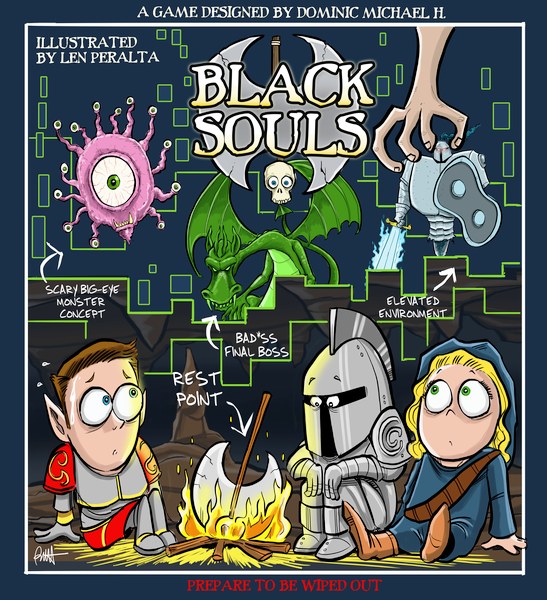
Download Black Souls for PC - Experience the dark fantasy RPG inspired by Dark Souls. Explore a rich story with multiple endings, unique character classes, and deep combat system
Moreover, the rise of identities has blurred the rigid lines between "trans" and "cis." Many non-binary people do not identify as "man" or "woman" but still engage with gay, lesbian, or queer labels. This ambiguity forces the entire culture to move beyond binary thinking.
For decades, the public face of LGBTQ rights was often a cisgender, white, upper-middle-class gay man. This created a hierarchy of needs. While legalizing gay marriage (achieved in the US in 2015) was a priority for this demographic, it did little to address the rampant employment and housing discrimination faced by trans people, especially trans women of color.
Originating in the Black and Latine trans communities of New York City, ballroom culture gave us "voguing," "slay," and the concept of "chosen families."
Treating individuals as icons or "pics" rather than people with lived experiences.
An umbrella term for individuals whose gender identity is feminine but differs from their assigned sex at birth. Media Guidelines
This shared history created a foundation of solidarity. Transgender people provided the "radical" spark that demanded more than just tolerance; they demanded the right to exist authentically in public spaces. The "T" in the Umbrella: Identity vs. Orientation
High levels of fetishization are often statistically linked to higher rates of violence against trans women, as they are seen as "objects" rather than subjects. Digital Consumption vs. Human Rights
Shemale Pics |link| -
Moreover, the rise of identities has blurred the rigid lines between "trans" and "cis." Many non-binary people do not identify as "man" or "woman" but still engage with gay, lesbian, or queer labels. This ambiguity forces the entire culture to move beyond binary thinking.
For decades, the public face of LGBTQ rights was often a cisgender, white, upper-middle-class gay man. This created a hierarchy of needs. While legalizing gay marriage (achieved in the US in 2015) was a priority for this demographic, it did little to address the rampant employment and housing discrimination faced by trans people, especially trans women of color.
Originating in the Black and Latine trans communities of New York City, ballroom culture gave us "voguing," "slay," and the concept of "chosen families."
Treating individuals as icons or "pics" rather than people with lived experiences.
An umbrella term for individuals whose gender identity is feminine but differs from their assigned sex at birth. Media Guidelines
This shared history created a foundation of solidarity. Transgender people provided the "radical" spark that demanded more than just tolerance; they demanded the right to exist authentically in public spaces. The "T" in the Umbrella: Identity vs. Orientation
High levels of fetishization are often statistically linked to higher rates of violence against trans women, as they are seen as "objects" rather than subjects. Digital Consumption vs. Human Rights