Thank you

A Product Trainer will contact you within two business days to schedule a one-on-one training session.
The Japanese entertainment industry is a global powerhouse that seamlessly bridges the gap between ancient traditions and futuristic innovation. From the quiet precision of a tea ceremony to the neon-lit energy of an Akihabara arcade, Japan’s cultural exports—manga, anime, video games, and J-Pop—have transformed from niche interests into dominant pillars of global pop culture. This industry is not merely a business sector; it is a profound reflection of Japanese societal values, historical resilience, and a unique aesthetic philosophy.
Most anime and films are funded by opaque production committees ( kikaku ), where publishers, ad agencies, and broadcasters split revenue. Creators retain no IP rights, leading to franchise stagnation and risk-averse remakes.
If feelings or concerns arise, addressing them in a respectful and professional manner can help prevent misunderstandings.
Groups like and Nogizaka46 revolutionized the industry with the "idols you can meet" concept, utilizing handshake events and fan elections to create an intense sense of loyalty. While J-Pop faces stiff competition from the global rise of K-Pop, it remains fiercely protective of its domestic market, often prioritizing physical CD sales and exclusive fan club content over global streaming—a testament to the unique, insular nature of Japanese business traditions. The Legacy of Gaming: Beyond the Console
A Product Trainer will contact you within two business days to schedule a one-on-one training session.
We’ve received your request for technical support. A Technical Support Specialist will contact you within 1 business day.
Your Target Market Request form has been sent. Your SocialCRM support agent will contact you to discuss any specifics, if needed.
Thank you for your interest in Mitchell 1 products. A Customer Service Agent will contact you within 1 business day.
Please allow 30 business days for your request to be processed.
We’ve received your request for assistance with your Mitchell 1 account. A Customer Service Agent will contact you within 1 business day.
We’ve received your request for a call back. A Customer Service Agent will contact you within 1 business day.
Thank you for contacting Mitchell 1 to discuss data integration opportunities. Clients who meet the requirements will be contacted to discuss a potential opportunity.
Your upgrade request for Accounting Link has been received. A Customer Service agent will contact you shortly.
Your details have been successfully submitted!
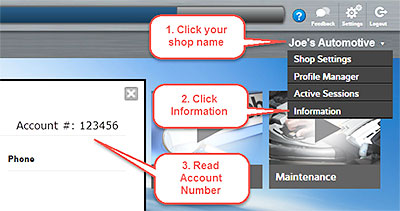
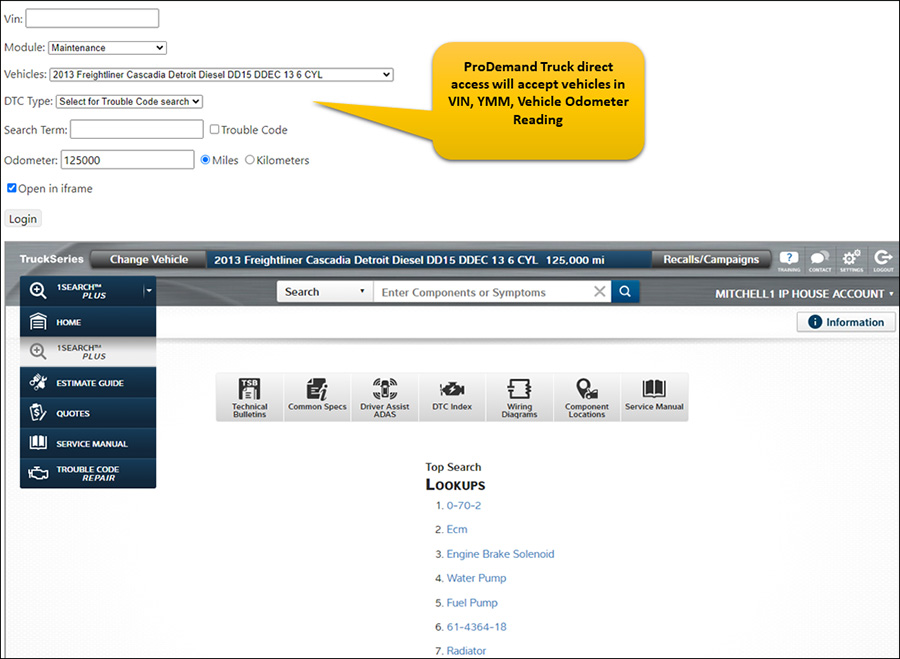
Direct Access—Pass-Through (transfer ticket) streamlines access straight into ProDemand Truck. Depending on the configuration, this workflow uses the user/password credentials or an account number. Your users can launch into ProDemand Truck, assuming they already have an active subscription.
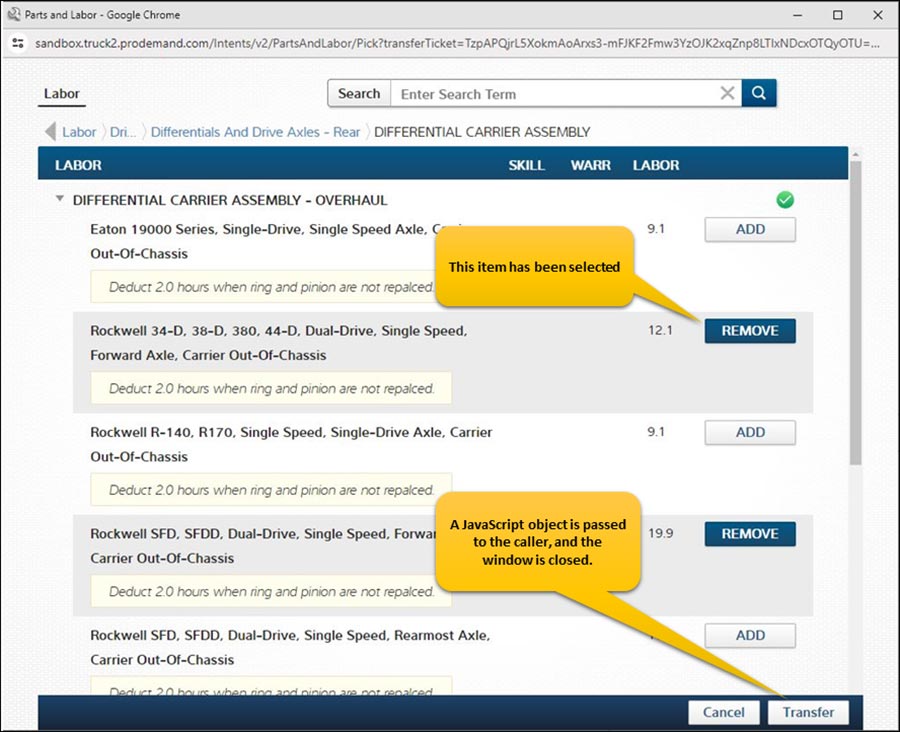
ProDemand Medium and Heavy-Duty Truck Class 4-8 has the following mechanisms for application-level integration with our repair content: (Labor)
Your users can launch the ProDemand Medium & Heavy-Duty Truck UI sub-sections, assuming they already have an active subscription.
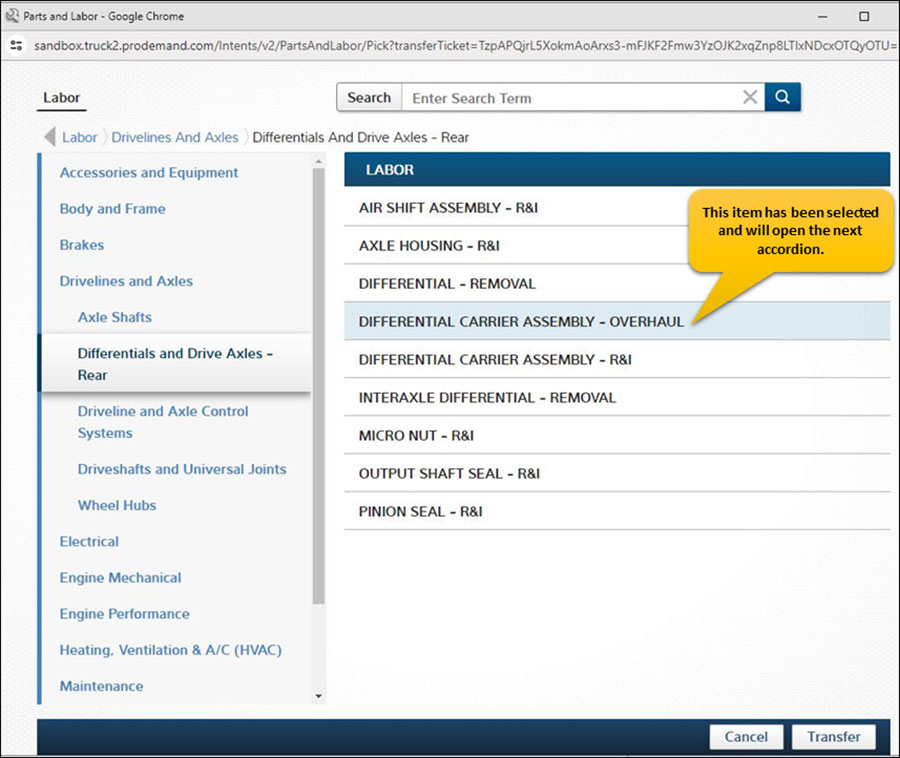
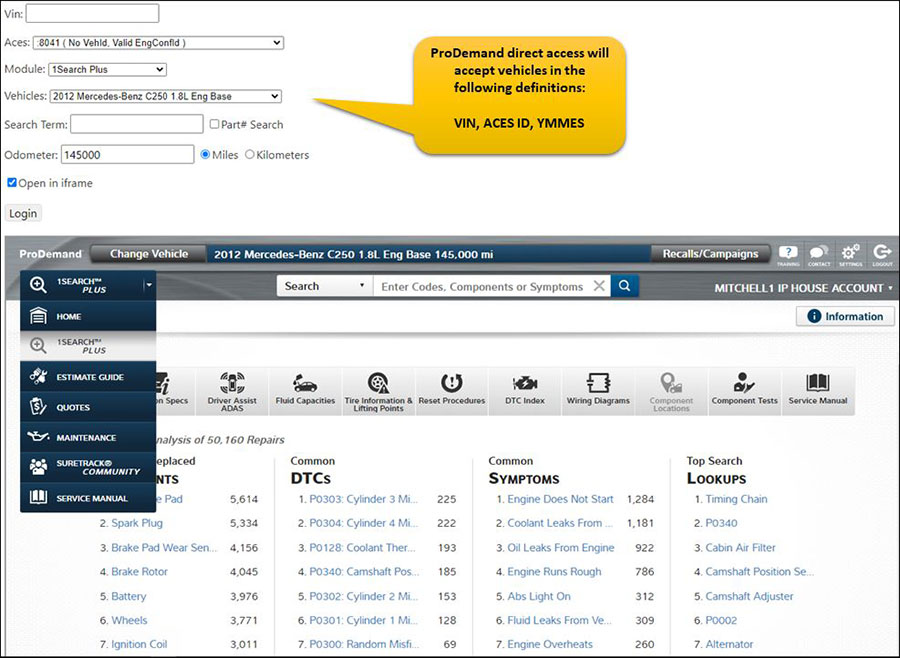
Direct Access—Pass-Through (transfer ticket) streamlines access straight into ProDemand. Depending on the configuration, this workflow uses the user/password credentials or an account number. Your users can launch into ProDemand, assuming they already have an active subscription.